
Cervical screening test: who needs one, how often, and the self-collect option
The Pap smear is gone. The Cervical Screening Test is every five years, and you can now collect the sample yourself. Here is what women aged 25 to 74 need to know.

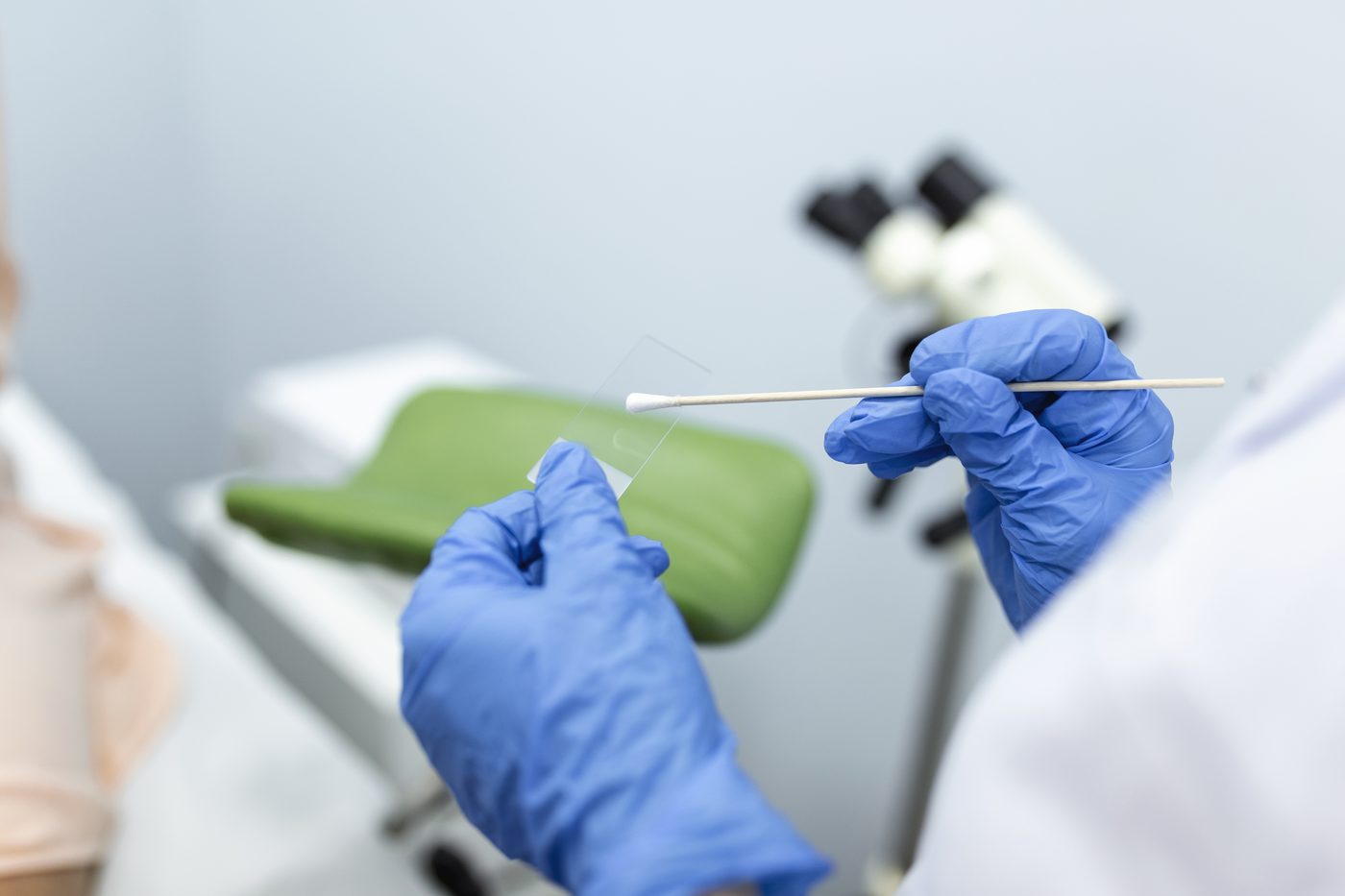
Australia's cervical screening program is one of the most successful in the world, and the changes introduced in recent years have made screening less frequent and, for many women, more comfortable. Yet many women in Western Sydney are overdue. If you are unsure when your last test was, this guide will help you work out what you need.
From Pap smear to Cervical Screening Test
The Pap smear looked for abnormal cells and was repeated every two years. The Cervical Screening Test, introduced in 2017, looks for the human papillomavirus (HPV) that causes almost all cervical cancers. Because HPV takes many years to cause changes, a negative test means you are safe to wait five years before the next one.
If you are aged 25 to 74 and have ever been sexually active, you need a Cervical Screening Test every five years, even if you have had the HPV vaccine.
Who should be screened
Screening is for anyone with a cervix aged 25 to 74 who has ever been sexually active, including women who have had the HPV vaccine, women who are no longer sexually active, women in same-sex relationships and people who are transgender or non-binary with a cervix. Your first test is due at 25, or two years after your last Pap smear if you were screened under the old program. Women over 70 who have never been screened, or have not been screened for a long time, should have an exit test.
How the test is done
There are two options. A clinician-collected sample is taken during a short examination using a speculum, much like the old Pap smear. A self-collected sample uses a small swab that you insert yourself, in private, at the clinic; it is inserted a few centimetres into the vagina and rotated for 20 to 30 seconds. Self-collection is just as accurate for detecting HPV and is now available to everyone eligible for screening.
What the results mean
Most results return "HPV not detected", and your next test is due in five years. If HPV is detected, the laboratory examines the cells on the same sample. Depending on the type of HPV and the cell findings, your GP will recommend either a repeat test in twelve months or a referral to a specialist for a closer look, called a colposcopy. Detecting HPV does not mean you have cancer; it means you are being monitored closely so that any changes can be treated early.
Symptoms that need a GP regardless of screening
Screening is for women without symptoms. Bleeding between periods, after sex or after menopause, unusual discharge or pelvic pain should be assessed by your GP promptly, even if your last screen was normal.
HPV: the virus behind cervical cancer
Human papillomavirus is extremely common; most sexually active people will have it at some point, usually without knowing, and most infections clear on their own within two years. A small number of high-risk types, particularly HPV 16 and 18, can persist and cause cell changes over ten to fifteen years. The Cervical Screening Test detects those types long before any cancer develops, which is why it is so effective and why the five-year interval is safe.
The HPV vaccine and screening work together
Australia introduced free HPV vaccination for girls in 2007 and boys in 2013, and since 2023 a single dose is given at age 12 to 13 through the school program. The vaccine protects against the types responsible for about 90 percent of cervical cancers, and Australia is on track to be the first country to eliminate cervical cancer as a public health problem. Screening remains essential because the vaccine does not cover every high-risk type and most adults were vaccinated after they became sexually active. Catch-up vaccination is free up to age 25.
After menopause, a hysterectomy or with no symptoms
Screening continues until 74 regardless of menopause. If you have had a hysterectomy that removed the cervix for a non-cancer reason and your previous screens were normal, you usually no longer need testing; your GP will confirm. Having no symptoms is exactly the situation screening is designed for; cell changes caused by HPV are silent until they are advanced.
Making the appointment comfortable
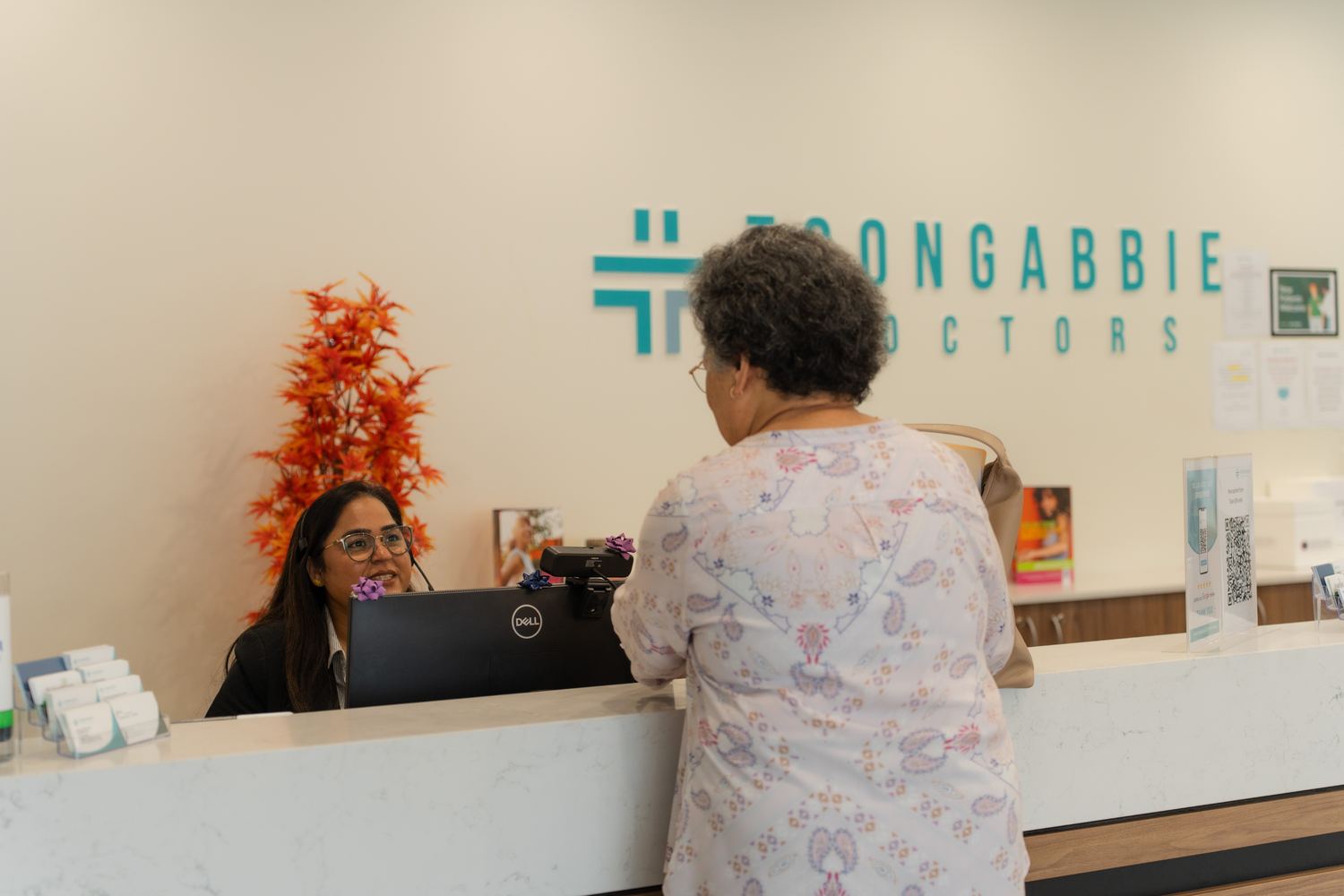
Tell reception if you would prefer a female GP, self-collection, or a longer appointment. Avoid booking during your period if possible, although it is not a barrier. You can bring a support person. If previous examinations have been painful or you have experienced trauma, let your GP know; self-collection or a smaller speculum can make a real difference.
Booking with a female GP in Toongabbie
Dr Zainab Shirazi consults Monday, Tuesday, Wednesday, Friday and Saturday and focuses on women's health. Cervical screening is bulk billed, and if you prefer self-collection, let reception know when you book. The National Cancer Screening Register will also send you a reminder when your test is due.
This article is general health information for patients of Toongabbie Doctors, based on current Australian guidelines. It does not replace a consultation with a doctor. If you are worried about a symptom, book an appointment or call (02) 7813 6000. In an emergency call 000.
Common questions.
Quick answers to what patients ask us most about this topic.
Yes. The consultation and the test are covered by Medicare for eligible patients.
Yes. Anyone eligible for screening can choose to self-collect. Your GP will explain how and provide the swab.
Yes. The vaccine protects against the most common cancer-causing HPV types but not all of them.
Book as soon as you can. Being overdue is common and your GP will simply do the test and reset your five-year cycle.
Related services.
More from the journal.
 Bulk billing & Medicare
Bulk billing explained: what Medicare covers at a GP visit in 2026
"Bulk billed" is on every medical centre sign in Western Sydney, but what does it mean for your wallet? Here is how it works, who qualifies and what is and is not covered.
Read article → Skin health
How often should you have a skin cancer check?
Two in three Australians will be diagnosed with skin cancer by 70. Here is how often to book a skin check, what your GP looks for, and the changes that should never wait.
Read article → Prevention & vaccines
When to get your flu shot in Western Sydney, and who gets it free
Flu season in NSW usually peaks between June and September. Here is the ideal timing for your vaccine, who is eligible for a free shot, and answers to the questions we hear most.
Read article →Ready to book?
Toongabbie Doctors is a 100% bulk billing clinic for Medicare card holders at Toongabbie Point, with free parking via Cox Lane.