Solar keratoses
Bulk billedSolar keratoses
Bulk billedRough, scaly sun spots on the face, scalp, arms and hands — early sun damage worth treating.
Book online →

We are a bulk billing practice — all Medicare-eligible consultations are bulk billed. Some items, including privately purchased vaccines and consumables, attract a fee. Book on HotDoc, online or by phone on (02) 7813 6000.
Liquid nitrogen freezes a lesion so the treated cells die and the skin replaces them. It takes seconds, needs no anaesthetic, and is one of the most common procedures we do.
Three ways to book: HotDoc · online · or by phone.
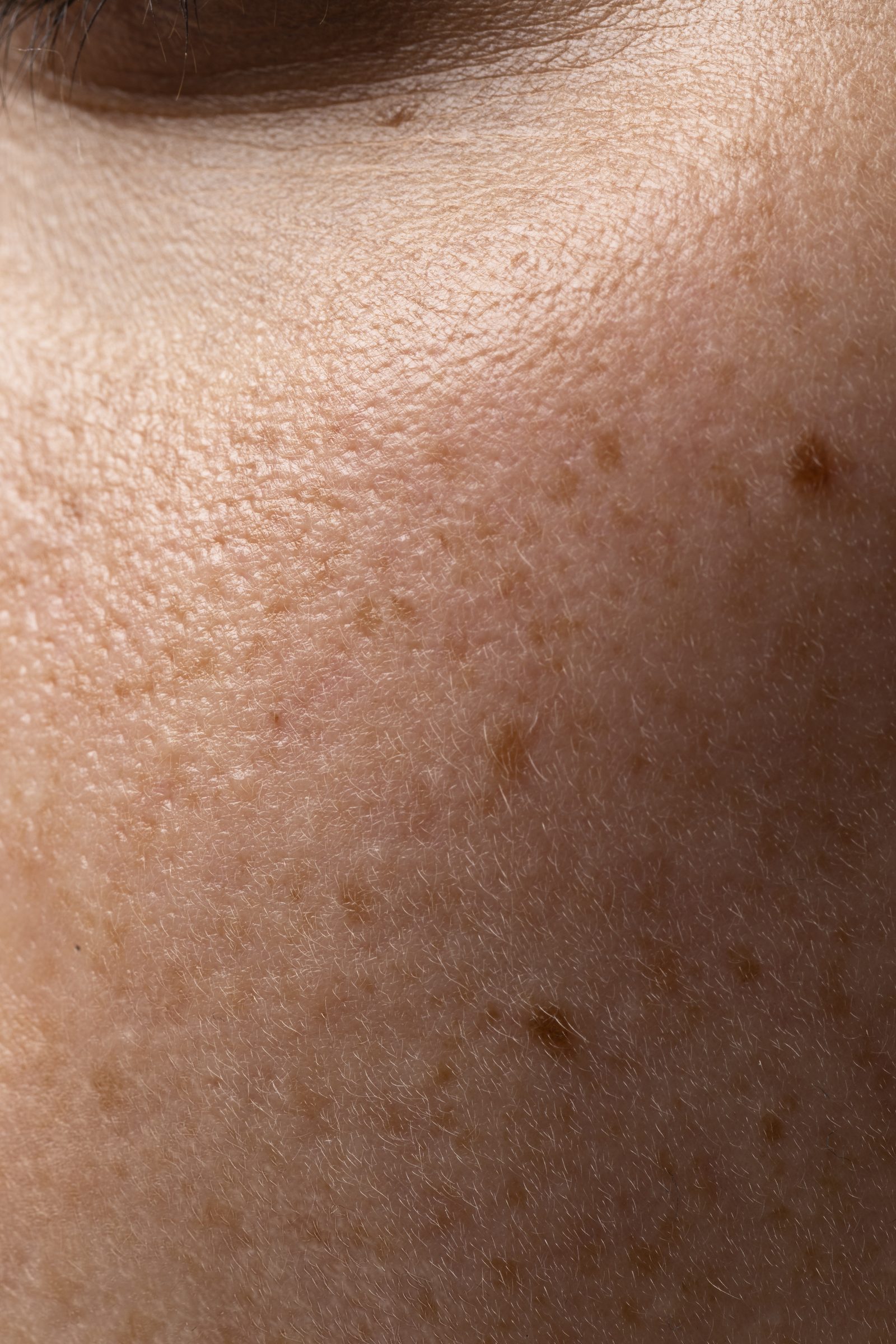
Freezing is the standard first-line treatment for a long list of surface skin problems.
Cryotherapy uses liquid nitrogen at around minus 196 degrees to destroy unwanted surface skin cells. It is applied for a few seconds with a spray or probe. The treated area blisters or crusts over the following days, then falls away as new skin forms underneath.
Solar keratoses — the rough, scaly sun spots common on Australian faces, scalps, forearms and hands — respond particularly well, and treating them matters because a proportion would otherwise progress. Common warts, plantar warts, seborrhoeic keratoses, skin tags and molluscum are also routinely treated.
Solar keratoses are not just cosmetic. They are early sun damage, and treating them is part of skin cancer prevention.
A sharp cold sting for the few seconds the nitrogen is applied, then a burning ache for several minutes that settles. Most people describe it as uncomfortable rather than painful, and no local anaesthetic is used for routine treatment.
The area becomes red and may blister within a day. Leave the blister intact if you can. A crust forms and separates over one to three weeks depending on the site; hands and feet take longest. Keep it clean, do not pick it, and use sunscreen on the new skin.
Stubborn warts and thicker lesions often need two or three sessions a few weeks apart. Anything that does not respond, or that looks different from what was expected, will be reassessed and may be biopsied instead.
Common lesions treated with liquid nitrogen in our treatment room.
Rough, scaly sun spots on the face, scalp, arms and hands — early sun damage worth treating.
Book online →Hand and finger warts, treated over one or more sessions a few weeks apart.
Book online →Warts on the sole of the foot, which are thicker and usually need several treatments.
Book online →Common in children; treated selectively and gently, or sometimes left to resolve.
Book online →Benign age-related growths, treated where they catch, itch or bleed.
Book online →Small skin tags in areas that rub, frozen or snipped depending on size and site.
Book online →A cryotherapy appointment start to finish.
Your GP examines the lesion, often with dermoscopy, to confirm freezing is the right treatment and not a biopsy.
Liquid nitrogen is applied for a few seconds per lesion. Several can be treated in one appointment.
Redness, then a blister or crust, which separates over one to three weeks. Keep it clean and covered if it rubs.
Stubborn lesions are re-treated after a few weeks; anything unexpected is reassessed.
All three GPs perform cryotherapy; Dr Hafiz focuses on skin.
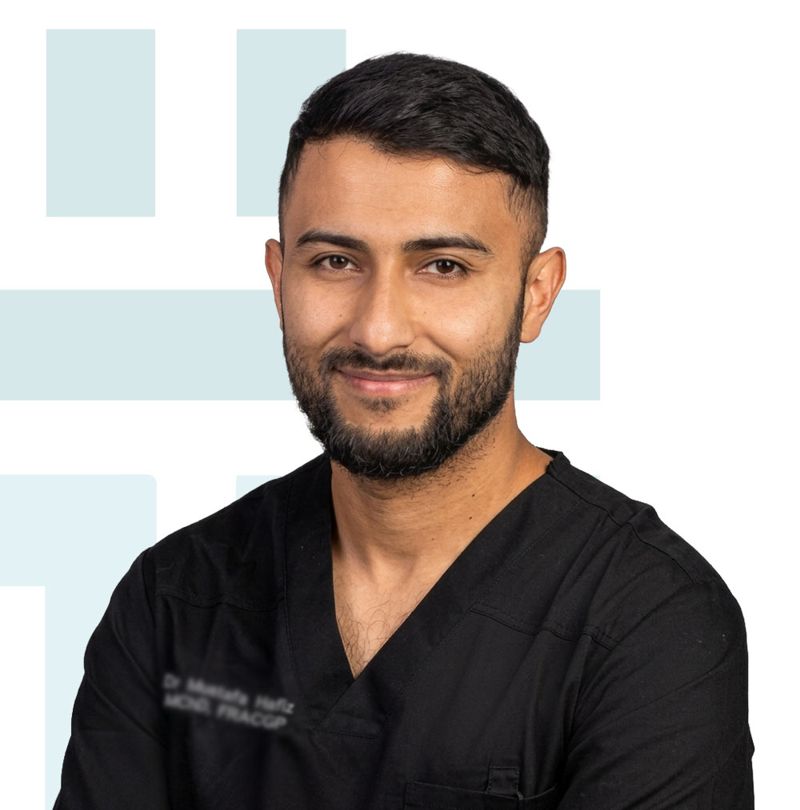
Skin cancer checks and minor procedures, men's health, mental health and family medicine.
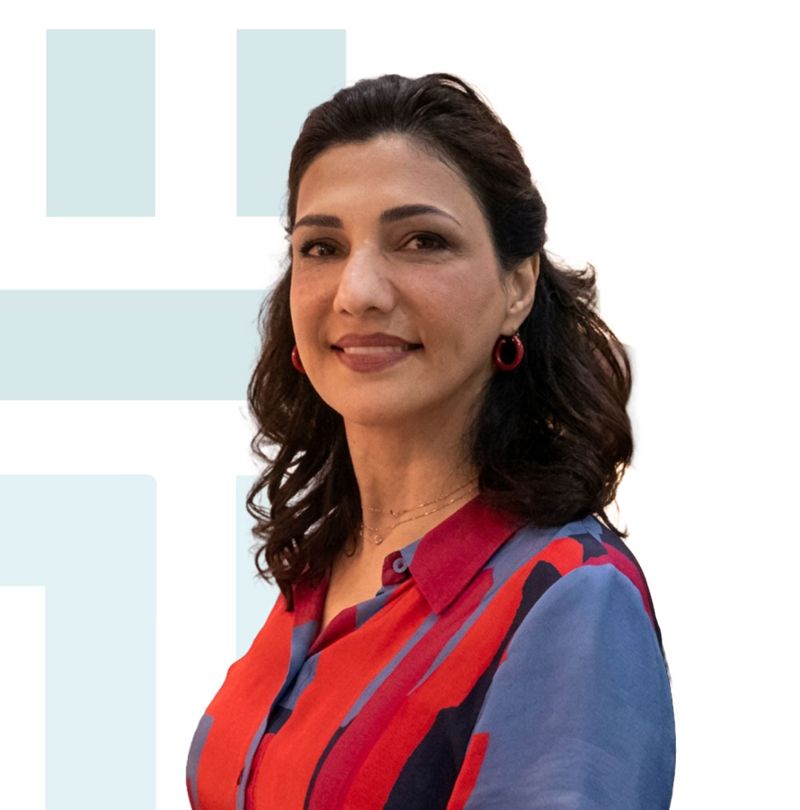
Women's health, children's health and skin conditions.

Chronic and complex conditions, heart, gut and kidney health, weight management.

Mental health, chronic illness, disability care and general family medicine.
Cryotherapy for medically indicated lesions is bulk billed for patients with a valid Medicare card.
Full fee guide
Standard GP consultations at Toongabbie Doctors are bulk billed for patients with a valid Medicare card, so there is no out-of-pocket cost to see your doctor.
What people ask before being frozen.
It stings sharply for the few seconds of treatment and aches for several minutes afterwards. Most people manage it without any anaesthetic.
The treated skin is often slightly paler or pinker for some months, and occasionally permanently. Your GP will mention this before treating visible areas.
Solar keratoses often clear in one. Warts, especially on the feet, commonly need two or three sessions spaced a few weeks apart.
Yes. There is no recovery time. Keep the area clean, avoid picking, and cover it if clothing or shoes will rub.
Yes, when the lesion is medically indicated. Freezing something purely because you dislike how it looks is cosmetic and carries a fee.
Book a skin appointment and have them assessed and, where appropriate, treated the same day.
Three ways to book: HotDoc · online · or by phone on (02) 7813 6000.