
7 signs of type 2 diabetes worth a GP check
Around one in twenty Australians has diabetes, and many more have prediabetes without knowing. These are the signs to watch for and what a simple blood test can tell you.

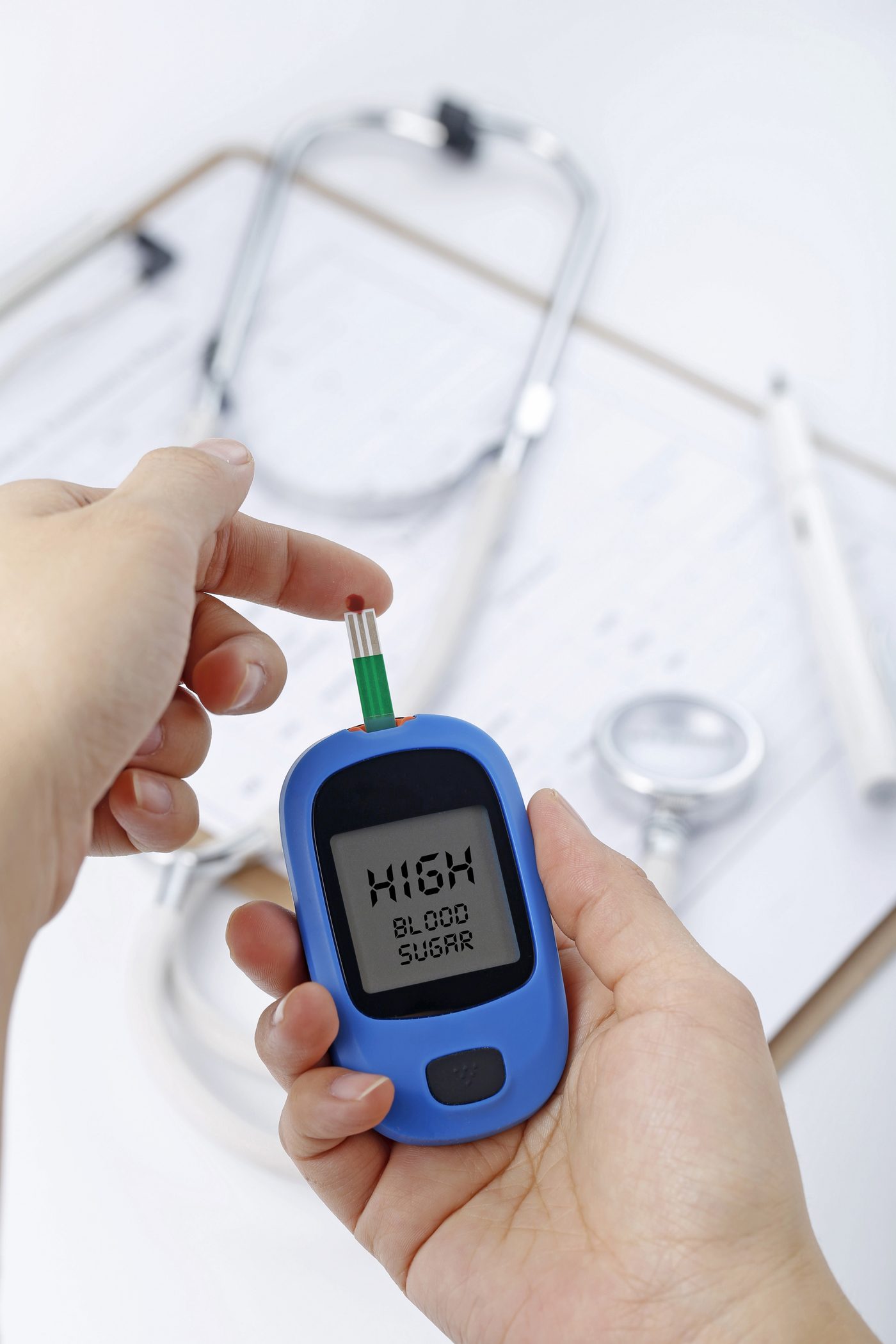
Type 2 diabetes develops slowly, and its early signs are easy to put down to a busy life. Western Sydney has some of the highest rates of diabetes in the country, and Toongabbie, Wentworthville and Blacktown are among the suburbs where GPs see it most. The condition is very manageable when it is picked up early, so it is worth knowing what to look for.
7 signs that deserve a GP visit
- Feeling unusually thirsty and drinking more than usual
- Passing urine more often, particularly overnight
- Tiredness that does not improve with rest
- Blurred vision that comes and goes
- Cuts, grazes or infections that are slow to heal
- Tingling, numbness or pain in the feet
- Unexplained weight loss, or increased hunger
Many people with early type 2 diabetes have no symptoms at all, which is why testing based on risk factors matters as much as symptoms.
Who should be tested even without symptoms
Australian guidelines recommend a diabetes risk assessment every three years from age 40, and earlier or more often if you have risk factors. These include being overweight, having a parent or sibling with diabetes, high blood pressure, a history of gestational diabetes or polycystic ovary syndrome, a South Asian, Middle Eastern, Pacific Islander or Aboriginal background, and a sedentary lifestyle. The AUSDRISK questionnaire takes two minutes and your GP can complete it with you during a consultation.
A diabetes check is a simple blood test. At Toongabbie Doctors the consultation is bulk billed and 4Cyte Pathology is in the same centre, so you can have the test on your way out.
How diabetes is diagnosed
Your GP will usually order one of three tests: a fasting blood glucose, an HbA1c (which reflects your average glucose over three months and does not require fasting), or an oral glucose tolerance test. Results fall into three bands: normal, prediabetes and diabetes. Prediabetes is a warning sign, not a diagnosis, and it is the point at which lifestyle changes make the biggest difference.
What happens if the result is high
A diagnosis of type 2 diabetes is the start of a plan, not a sentence. Your GP will talk through what the numbers mean, check your blood pressure, cholesterol, kidney function and feet, and arrange an eye check. For most people the first steps are changes to eating and activity, sometimes with medication. A GP management plan, which is bulk billed, sets goals and unlocks Medicare rebates for visits to our dietitian and physiotherapist. Regular reviews keep everything on track.
Reducing your risk
The evidence is consistent: losing five to seven percent of body weight, walking briskly for 30 minutes most days and reducing sugary drinks and refined carbohydrates can halve the risk of prediabetes progressing to diabetes. Our dietitian Anagha Chaudhari consults on Tuesdays and can build a practical, culturally aware eating plan.
Understanding your results
An HbA1c below 5.7 percent (39 mmol/mol) is normal, 5.7 to 6.4 percent (39 to 47 mmol/mol) indicates prediabetes, and 6.5 percent (48 mmol/mol) or higher on two occasions confirms diabetes. For fasting glucose, below 5.5 mmol/L is normal, 5.5 to 6.9 suggests impaired fasting glucose and 7.0 or above indicates diabetes. Your GP will explain which test was used and what your number means, and will usually repeat the test to confirm before making a diagnosis.
Type 1, type 2 and gestational diabetes
Type 2 diabetes accounts for about 90 percent of cases and is strongly linked to weight, activity and family history. Type 1 is an autoimmune condition that usually starts in childhood or young adulthood and always requires insulin. Gestational diabetes develops during pregnancy, is screened for at 24 to 28 weeks, and usually resolves after birth but roughly doubles the mother's lifetime risk of type 2 diabetes, so follow-up testing every one to three years is recommended.
The annual cycle of care
Once diabetes is diagnosed, Australian guidelines set out a yearly checklist your GP will work through with you: HbA1c every three to six months, blood pressure at each visit, cholesterol and kidney function annually, a foot examination at least once a year, an eye check every one to two years, weight and waist measurements, a review of smoking and alcohol, and an annual flu vaccine. At Toongabbie Doctors this is built into your GP management plan so nothing is missed, and the plan and its reviews are bulk billed.
Diabetes in South Asian and Middle Eastern communities
Many Toongabbie families have heritage from India, Sri Lanka, Nepal, Pakistan, Bangladesh, Lebanon and Iraq, communities in which type 2 diabetes tends to develop at a younger age and at a lower body weight than in people of European background. If this is your background, screening from age 35, or earlier if you have other risk factors, is sensible. Our dietitian is experienced in adapting eating plans to traditional cuisines rather than replacing them.
Book a diabetes check in Toongabbie
If any of the signs above sound familiar, or you are over 40 and have not been tested in three years, book a bulk billed appointment with Dr Hossain or any of our GPs through HotDoc, or call (02) 7813 6000.
This article is general health information for patients of Toongabbie Doctors, based on current Australian guidelines. It does not replace a consultation with a doctor. If you are worried about a symptom, book an appointment or call (02) 7813 6000. In an emergency call 000.
Common questions.
Quick answers to what patients ask us most about this topic.
Not for an HbA1c test. A fasting glucose test requires no food or drink other than water for eight hours. Your GP will tell you which test is being ordered.
Yes. The GP consultation is bulk billed and the pathology test is covered by Medicare for eligible patients.
Blood glucose can often return to the normal range with weight loss, activity and dietary changes. Your GP will monitor progress with repeat tests.
Most people with type 2 diabetes see their GP every three to six months, with an annual cycle of care covering eyes, feet, kidneys and heart.
Related services.
More from the journal.
 Bulk billing & Medicare
Bulk billing explained: what Medicare covers at a GP visit in 2026
"Bulk billed" is on every medical centre sign in Western Sydney, but what does it mean for your wallet? Here is how it works, who qualifies and what is and is not covered.
Read article → Skin health
How often should you have a skin cancer check?
Two in three Australians will be diagnosed with skin cancer by 70. Here is how often to book a skin check, what your GP looks for, and the changes that should never wait.
Read article → Prevention & vaccines
When to get your flu shot in Western Sydney, and who gets it free
Flu season in NSW usually peaks between June and September. Here is the ideal timing for your vaccine, who is eligible for a free shot, and answers to the questions we hear most.
Read article →Ready to book?
Toongabbie Doctors is a 100% bulk billing clinic for Medicare card holders at Toongabbie Point, with free parking via Cox Lane.