
Men's health check at 40: what your GP looks for and why it matters
Turning 40 is a good time to establish a baseline. Here is what a men's health check involves, the numbers that matter and the conversations worth having.


Australian men see a GP about half as often as women and are more likely to be diagnosed with a serious condition at a later stage. Many of the biggest threats to men's health in their forties and fifties, such as heart disease, type 2 diabetes and bowel cancer, develop quietly. A men's health check at 40 is about finding those quiet problems while they are still easy to manage.
What a men's health check covers
There is no single "men's health check" item on the Medicare schedule; it is a long GP consultation, bulk billed, structured around your risk factors and concerns. A typical check with Dr Hafiz includes:
- Blood pressure, weight, waist circumference and BMI
- Blood tests for cholesterol, blood glucose or HbA1c, kidney and liver function, and iron
- A heart disease risk calculation using your age, blood pressure, cholesterol, smoking status and diabetes status
- A discussion of alcohol, smoking, exercise, sleep and stress
- A skin check, particularly for men who work outdoors
- A conversation about mood, energy and mental health
- Discussion of prostate and testicular health, and bowel cancer screening
Between 45 and 49, Medicare funds a longer health assessment for people at risk of chronic disease. It is bulk billed and a natural next step after a check at 40.
The numbers that matter most
Blood pressure above 140/90 sustained over several readings, LDL cholesterol that is high for your overall risk, and an HbA1c in the prediabetes range are the three findings most likely to change what you do next. All three respond well to lifestyle change and, where needed, medication. Knowing them at 40 gives you a decade of head start.
Prostate: what the evidence says
Prostate cancer is the most common cancer in Australian men, but routine PSA testing for every man is not recommended because it can lead to unnecessary treatment. Current guidance is that men aged 50 to 69 should discuss the pros and cons of PSA testing with their GP, and men with a father or brother diagnosed with prostate cancer should start that conversation at 40 to 45. Your GP will help you weigh it up.
Bowel cancer screening
The National Bowel Cancer Screening Program now begins at 45. A free test kit arrives in the mail every two years and is completed at home. If you have not received one, your GP can arrange it. Bowel cancer found early through screening is very treatable.
Erectile function, testosterone and mood
These are the topics men most often leave out of a consultation, and they are among the most important. Erectile difficulties can be an early warning of cardiovascular disease. Low energy, poor sleep and irritability may point to depression, sleep apnoea or, less commonly, low testosterone. Your GP has heard it all before and can investigate properly.
Heart disease risk: the number that ties it together
Rather than looking at cholesterol or blood pressure in isolation, Australian GPs now calculate an absolute cardiovascular risk score using the Australian CVD risk calculator. It combines age, sex, blood pressure, cholesterol, smoking, diabetes and kidney function into a five-year percentage risk of heart attack or stroke, and it determines whether lifestyle change alone or medication is recommended. The calculation is part of a bulk billed consultation and takes a few minutes once your blood results are back.
Sleep apnoea, snoring and tiredness
Loud snoring, waking unrefreshed and dozing off during the day are classic signs of obstructive sleep apnoea, which is common in men over 40, particularly with a larger neck or waist. Untreated, it raises blood pressure and the risk of heart disease and accidents. Your GP can arrange a home sleep study, which is bulk billed for eligible patients, and treatment with a CPAP machine or a dental device is very effective.
Alcohol: the guideline most men exceed
Australian guidelines recommend no more than ten standard drinks a week and no more than four on any one day. A schooner of full-strength beer is about 1.6 standard drinks and a restaurant pour of wine about 1.5, so a few drinks most nights adds up quickly. Your GP will ask without judgement; alcohol affects blood pressure, weight, sleep, mood and liver function, all of which appear in a health check.
Testicular self-examination
Testicular cancer is most common between 20 and 40 and is highly treatable when found early. Check once a month in a warm shower for any new lump, change in size or firmness, or a dull ache. Most lumps are harmless cysts or varicoceles, but any change should be examined by your GP promptly.
Booking a men's health check in Toongabbie
Book a long appointment with Dr Hafiz through HotDoc, or call (02) 7813 6000 and ask for a men's health check. Fasting is not usually required, and 4Cyte Pathology is in the same centre for any blood tests.
This article is general health information for patients of Toongabbie Doctors, based on current Australian guidelines. It does not replace a consultation with a doctor. If you are worried about a symptom, book an appointment or call (02) 7813 6000. In an emergency call 000.
Common questions.
Quick answers to what patients ask us most about this topic.
Yes. It is a long GP consultation and is bulk billed for Medicare card holders. Any pathology is also covered.
Usually not. Your GP will tell you if a fasting test is needed and you can have it at 4Cyte downstairs afterwards.
Only if you have a strong family history. Otherwise the discussion usually starts at 50. Your GP will explain the pros and cons.
Every two to three years from 40 for men at average risk, or annually if you have risk factors or a chronic condition.
Related services.
More from the journal.
 Bulk billing & Medicare
Bulk billing explained: what Medicare covers at a GP visit in 2026
"Bulk billed" is on every medical centre sign in Western Sydney, but what does it mean for your wallet? Here is how it works, who qualifies and what is and is not covered.
Read article →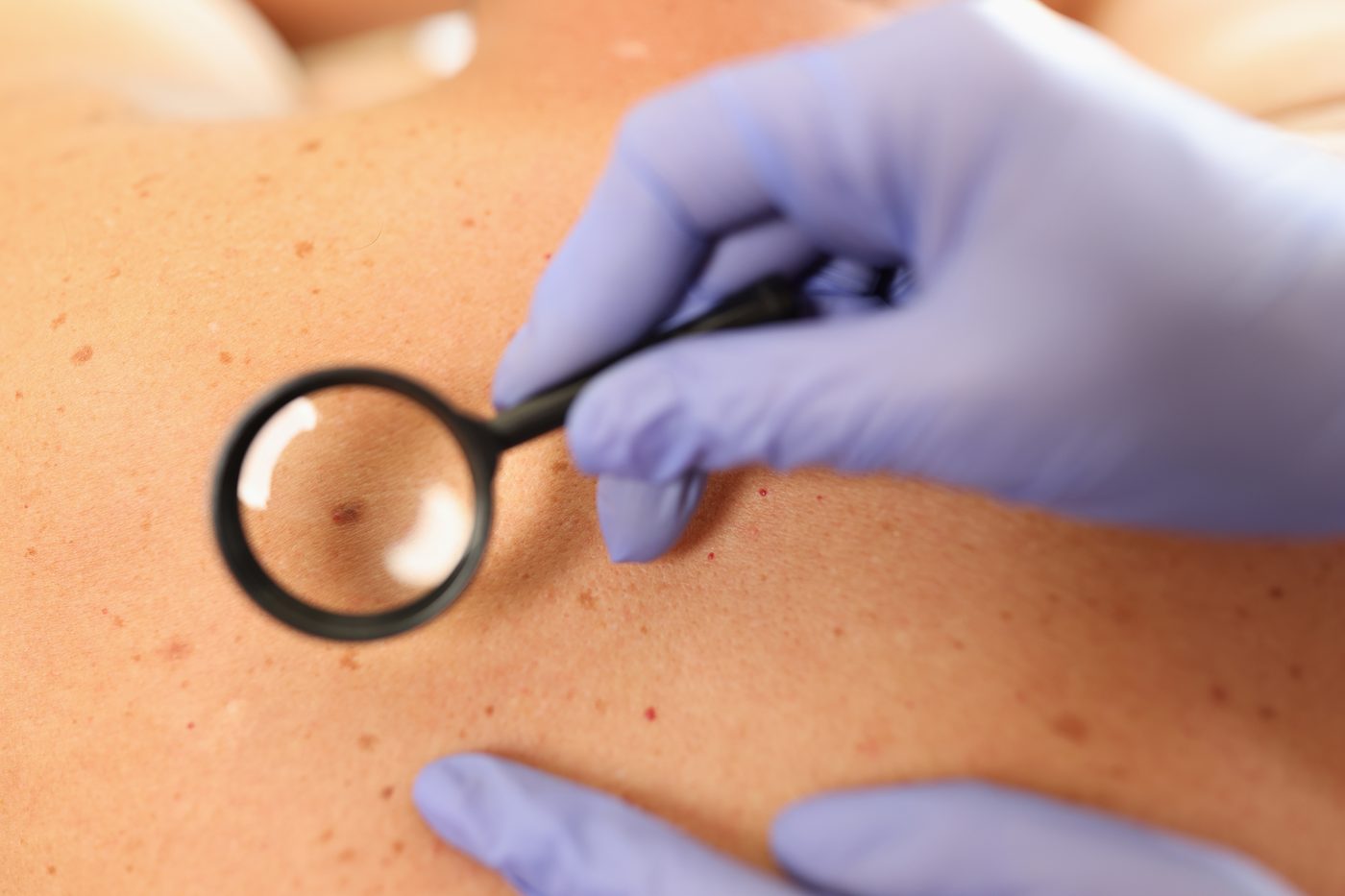 Skin health
How often should you have a skin cancer check?
Two in three Australians will be diagnosed with skin cancer by 70. Here is how often to book a skin check, what your GP looks for, and the changes that should never wait.
Read article → Prevention & vaccines
When to get your flu shot in Western Sydney, and who gets it free
Flu season in NSW usually peaks between June and September. Here is the ideal timing for your vaccine, who is eligible for a free shot, and answers to the questions we hear most.
Read article →Ready to book?
Toongabbie Doctors is a 100% bulk billing clinic for Medicare card holders at Toongabbie Point, with free parking via Cox Lane.