
How often should you have a skin cancer check?
Two in three Australians will be diagnosed with skin cancer by 70. Here is how often to book a skin check, what your GP looks for, and the changes that should never wait.

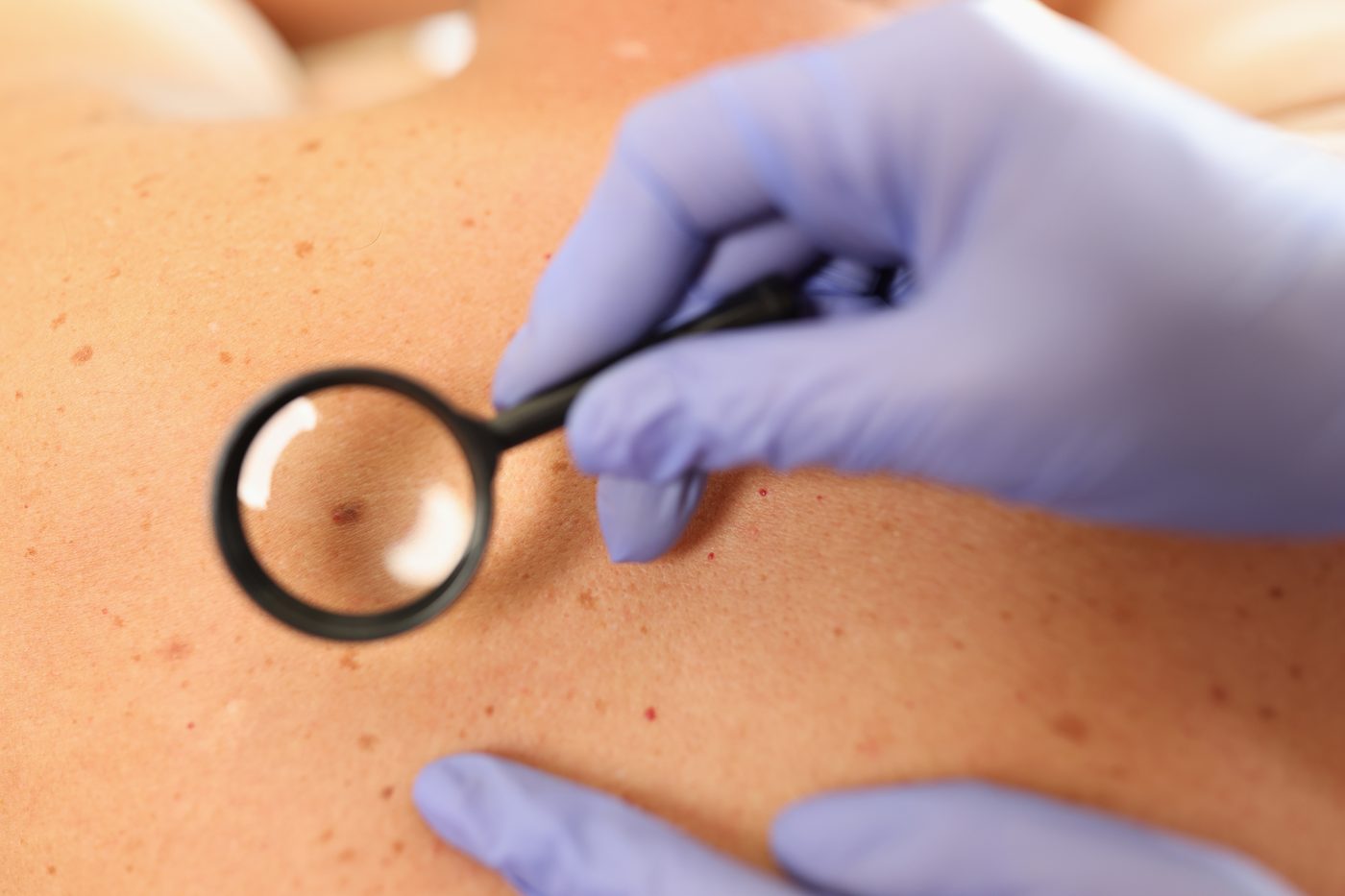
Australia has one of the highest rates of skin cancer in the world, and Western Sydney's long summers mean plenty of UV exposure for tradies, gardeners, sports parents and anyone who spends weekends outdoors. The good news is that skin cancer found early is usually very treatable. The question most patients ask is simple: how often should I have a skin check?
There is no single answer, but there is a sensible rule
Australia does not have a national skin cancer screening program in the way it has for bowel or breast cancer. Instead, guidelines recommend that your GP assess your individual risk and recommend a check-up interval that fits it. For most adults that means:
- Annual full skin checks if you have fair skin, a history of sunburn, many moles, a previous skin cancer or a family history of melanoma
- A check every one to two years for adults at average risk who work or play outdoors
- A baseline check in your twenties or thirties so future changes have something to be compared against
- A prompt appointment at any age if a spot is new, changing or does not look like your others
If you have had one skin cancer, your risk of another is significantly higher. Your GP will usually recommend a check every six to twelve months.
What happens during a skin check
A full skin cancer check takes about 15 to 20 minutes. You undress to your underwear and your GP examines your skin from scalp to soles using a dermatoscope, a handheld magnifier with polarised light that shows structures beneath the surface. Spots of interest are photographed so they can be monitored. If a lesion looks suspicious your GP will discuss a biopsy or excision, which can usually be done in our treatment room.
At Toongabbie Doctors two of our GPs hold a Diploma in Dermatology, and full skin checks are bulk billed for Medicare card holders.
The changes that should never wait
Between checks, get to know your own skin. Look once a month, use a mirror or ask a partner for your back, and book an appointment if you notice any of the following:
- A new spot, or one that looks different from the rest (the "ugly duckling")
- A mole that is growing, changing shape or developing uneven colour
- A sore that bleeds, crusts or does not heal within a few weeks
- A firm, pearly or scaly lump, particularly on the face, ears, neck or hands
- Any spot that itches, tingles or feels different
The ABCDE rule is a useful memory aid for melanoma: Asymmetry, Border irregularity, Colour variation, Diameter over 6 mm and Evolving.
Who is at higher risk
Your GP will weigh several factors when setting your check-up interval: fair or freckled skin that burns easily, red or blond hair, a history of blistering sunburn in childhood, solarium use, more than 50 moles, a personal or family history of melanoma, a weakened immune system, and an outdoor occupation. People with darker skin have a lower risk but are not immune, and melanoma in darker skin often appears on the palms, soles or under the nails, where it is easily missed.
Prevention still matters
A skin check finds problems; sun protection prevents them. Slip on clothing, slop on SPF 50+ sunscreen, slap on a hat, seek shade and slide on sunglasses whenever the UV index is 3 or above, which in Sydney is most of the year. Check the free SunSmart app for the daily UV forecast.
The three main types of skin cancer
Basal cell carcinoma is the most common and the least dangerous. It grows slowly, rarely spreads and usually appears as a pearly lump or a flat, scaly patch on sun-exposed skin. Squamous cell carcinoma is faster growing and can spread if left; it often appears as a thickened, red, scaly spot or a sore that will not heal. Melanoma is the least common but the most serious because it can spread to other organs. It usually starts as a new or changing mole, and finding it while it is thin is what makes the difference. Your GP's dermatoscope is designed to tell these apart and to distinguish them from harmless spots such as seborrhoeic keratoses and solar lentigines.
What happens if a spot needs a biopsy
A biopsy takes a small sample of the lesion under local anaesthetic so the laboratory can examine it. Depending on the spot, your GP may take a shave biopsy from the surface, a punch biopsy with a small circular blade, or excise the whole lesion with a margin of normal skin. Results usually take about a week. If the result confirms skin cancer, your GP will discuss the next step: a wider excision in our treatment room, a topical cream for some superficial cancers, or referral to a dermatologist or plastic surgeon for lesions on the face or in difficult positions. All of this is coordinated by the same GP who found the spot.
Skin checks for outdoor workers and tradies
Construction, landscaping, delivery and road workers across Western Sydney receive five to ten times the UV exposure of office workers. If that is you, an annual check is sensible from your thirties, and daily sunscreen, a broad-brimmed hat and long sleeves are part of the job. Some employers fund skin checks; either way, the GP consultation is bulk billed.
Skin checks in darker skin
People with darker skin tones have more natural protection but are not immune, and skin cancers in darker skin are often diagnosed later because they appear in less obvious places. Acral melanoma, which develops on the palms, soles and under nails, is the most common type in people of Asian, African and Middle Eastern background. A dark streak under a nail or a changing spot on the sole should always be checked.
Booking a skin check in Toongabbie
You can book a bulk billed skin cancer check directly with Dr Hafiz or Dr Hossain through HotDoc, or call reception on (02) 7813 6000. Ask for a long appointment if you would also like to discuss other concerns.
This article is general health information for patients of Toongabbie Doctors, based on current Australian guidelines. It does not replace a consultation with a doctor. If you are worried about a symptom, book an appointment or call (02) 7813 6000. In an emergency call 000.
Common questions.
Quick answers to what patients ask us most about this topic.
Yes. Full skin cancer checks with our GPs are bulk billed for patients with a valid Medicare card.
No. You can book directly with a GP. Referral to a dermatologist is arranged only if needed.
Allow 15 to 20 minutes. If a biopsy is needed it can often be done in the same visit or booked within days.
Many skin cancers can be biopsied or excised in our treatment room under local anaesthetic. Complex or facial lesions may be referred.
Related services.
More from the journal.
 Bulk billing & Medicare
Bulk billing explained: what Medicare covers at a GP visit in 2026
"Bulk billed" is on every medical centre sign in Western Sydney, but what does it mean for your wallet? Here is how it works, who qualifies and what is and is not covered.
Read article → Prevention & vaccines
When to get your flu shot in Western Sydney, and who gets it free
Flu season in NSW usually peaks between June and September. Here is the ideal timing for your vaccine, who is eligible for a free shot, and answers to the questions we hear most.
Read article → Chronic conditions
7 signs of type 2 diabetes worth a GP check
Around one in twenty Australians has diabetes, and many more have prediabetes without knowing. These are the signs to watch for and what a simple blood test can tell you.
Read article →Ready to book?
Toongabbie Doctors is a 100% bulk billing clinic for Medicare card holders at Toongabbie Point, with free parking via Cox Lane.